 Artists and bands
Gabriel Dueñez / Sonido Dueñez
Sonidero associated with the development of Monterrey’s slowed-down cumbia.


Mexico · Music Victim
The cumbia that slowed down on a hillside
Colombian records, a worn turntable and Celso Piña’s accordion.
The story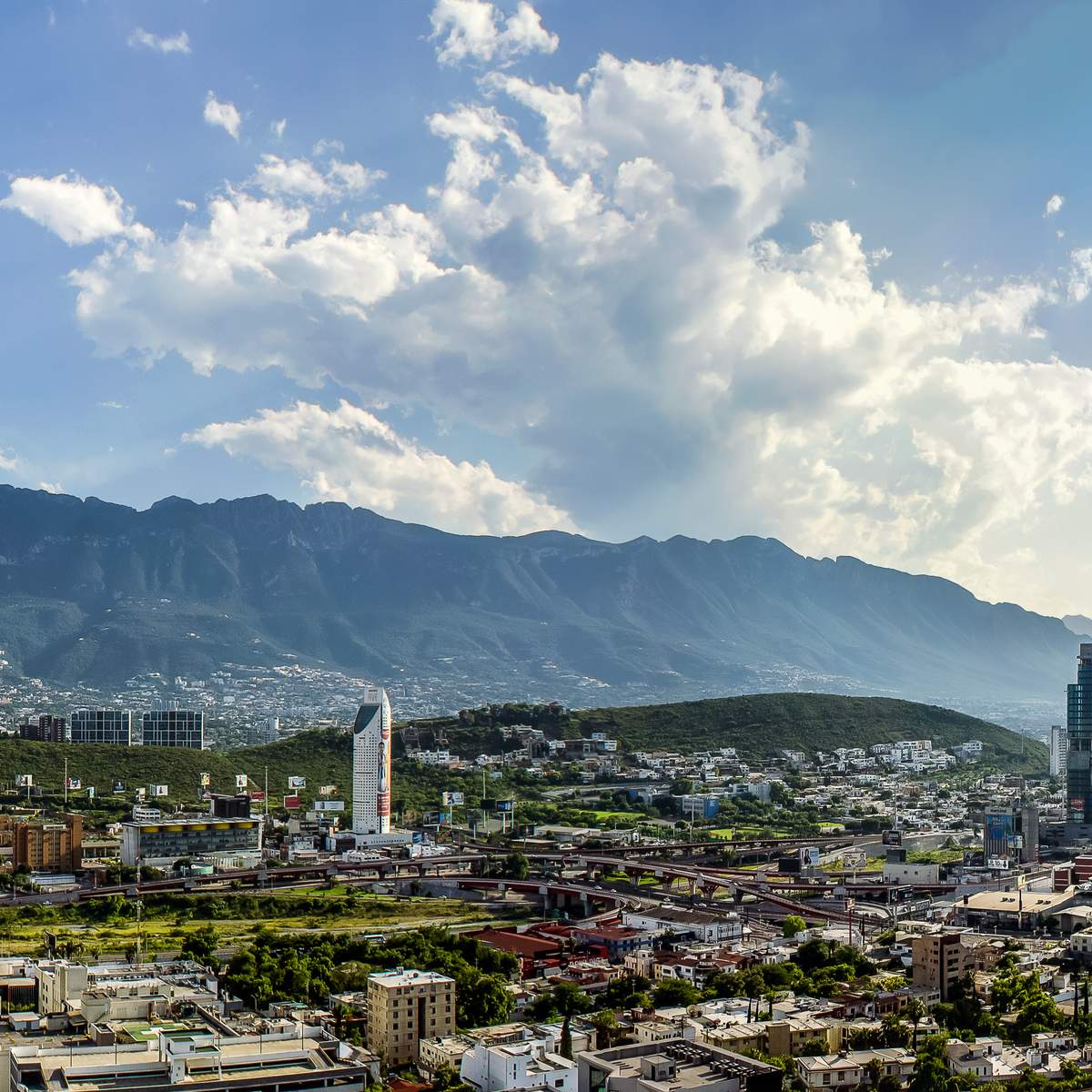
At a neighbourhood party on Monterrey’s Cerro de la Independencia, a record began to slow down. Sonidero Gabriel Dueñez later recalled that the motor of his equipment had worn down after hours of use. The crowd kept dancing.
Dueñez later deliberately slowed records, and the sound became known as cumbia rebajada. The records came from a Colombian tradition; their reception in Monterrey was shaped by the sound systems and parties of neighbourhoods such as La Independencia.
Accordionist Celso Piña also grew up with the Colombian music heard in Monterrey. With his group Ronda Bogotá he brought cumbia to a wider audience, and “Cumbia sobre el río” became one of his best-known recordings. The 2001 track brings Piña’s accordion together with contributions from Control Machete and Blanquito Man; its words announce a Colombian cumbia from Monterrey.
Dueñez’s archive preserves a cassette he slowed and recorded in 1992, with songs including “La Piragua” and “La Pelusa”.
Sonidero associated with the development of Monterrey’s slowed-down cumbia.
Monterrey accordionist associated with Colombian cumbia and his group Ronda Bogotá.
A song associated with Piña’s 2001 album Barrio Bravo. The link is the Warner Music lyric video.
 Songs